Amusement Parks, Mother’s Day and Carpe Diem
WARNING: Emotional post today – be advised…
There are two days out of the year that I do not look forward to. Today (Mother’s Day) is one of them. And it’s certainly not because I hate my Mother. On the contrary – it’s because we lost her.
Some of you know that she passed away from a very aggressive form of Leukemia on August 1st, 2004 (which happens to be the OTHER date on the calendar I’m not fond of).
Yes, the sting does fade over time – but it never truly goes away.
So, while you’re likely to see many “Happy Mother’s Day” posts out there today, I wanted to throw my hat into the ring as well to say, “I love you, Mom. Always and forever.”
And heed my wisdom – even the most inane and seemingly meaningless trip to your local park with your friends and family – can mean everything later on in life. As I always say in my “Lost Parks” presentations to local community groups, “Carpe Diem – sieze the day. You never know when your favorite ride or worse – loved one will no longer be with us.”
Here’s hoping that I make you proud this week, Mom as you look down upon me.

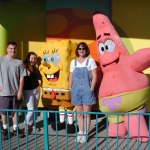
No caption could contain the emotion that this photo brings back to me and my family.
The Arrow Dynamics Pipeline Coaster – This Week’s Throwback Thursday

Today’s Throwback Thursday is a rare gem!
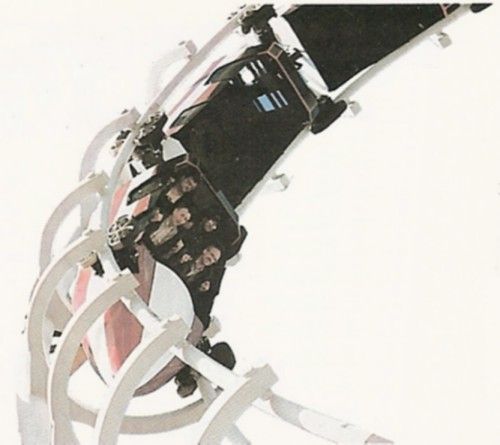
Presenting the Arrow pipeline concept – a roller coaster that stood for many years in Arrow’s Clearfield, UT plant. However, it never made it into a park (although Intamin would make a similar design in Asia several years later).
This video shows the process of testing and some rare POV of the ride as well – anyone want to get in line to be the first riders? Don’t forget to check out our documentary project on Arrow Development by following American Coaster Enthusiasts on Facebook!
Roller Coaster Malfunctions Prompting Media Frenzies
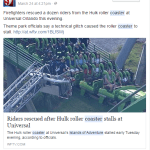
Over the past few weeks, as seasonal parks begin to thaw out from winter and re-open for the season, we’ve seen a significant uptick in news coverage of what we in the amusement park industry know as “evacs” – taking people off a ride either via the lift or block brake.
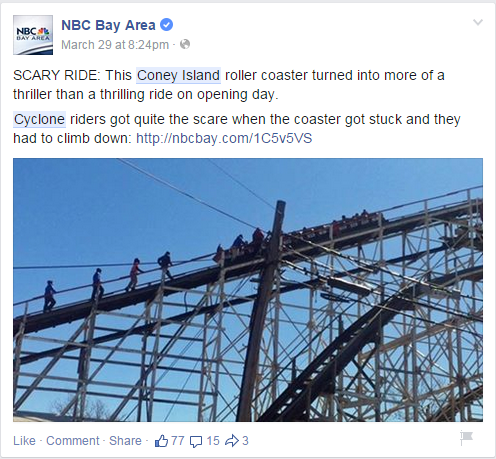
But what I’ve noticed lately is the media making a far bigger deal out of these events than necessary. It really came to my attention when one of my co-workers in the newsroom (who knows I’m a big park and ride fan) asked me, “What’s up with all these ride breakdowns lately?”
FULL DISCLAIMER: I am a credentialed member of the media. I broadcast the news on a daily basis. My job is to inform and educate the public via the airwaves. In a strange way, I could be seen as part of the problem based solely on my position.
On the other hand, I can be a harbinger for truth and education.
Let’s take that previous example of a coaster stalled on the lift. Why then does a person who’s car has broken down on the side of the interstate not make news? (Outside a traffic report). Think about it – here’s a ride vehicle, who has stopped suddenly – and is now on a median designed specifically for breakdowns.
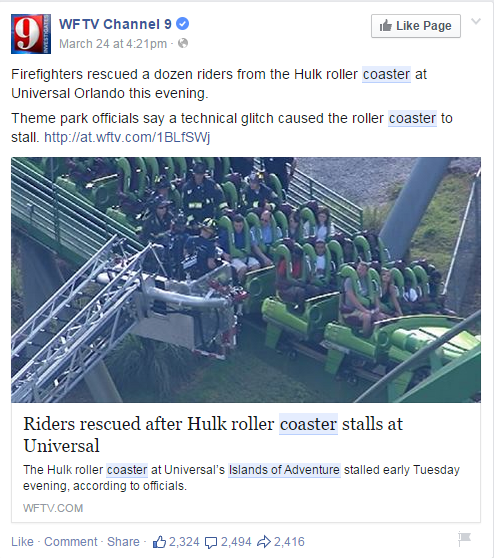
How is that different from a coaster that stops on the lift or brake run – where there is a platform (or two) that allows guests to safely disembark?
I am missing something?
So today, I am challenging my fellow media personnel to better educate themselves so as NOT to sensationalize the unsensational. Because a coaster that has a simple malfunction shouldn’t be click bait – when we have so many other stories worthy of telling, instead.
Five Ways to Have a Bad Day at an Amusement Park
1.) Forget to check about special events on park website:
Nothing will ruin your day faster at a park to find it overrun with cheerleaders for a regional competition or packed for a concert in their ampitheatre.

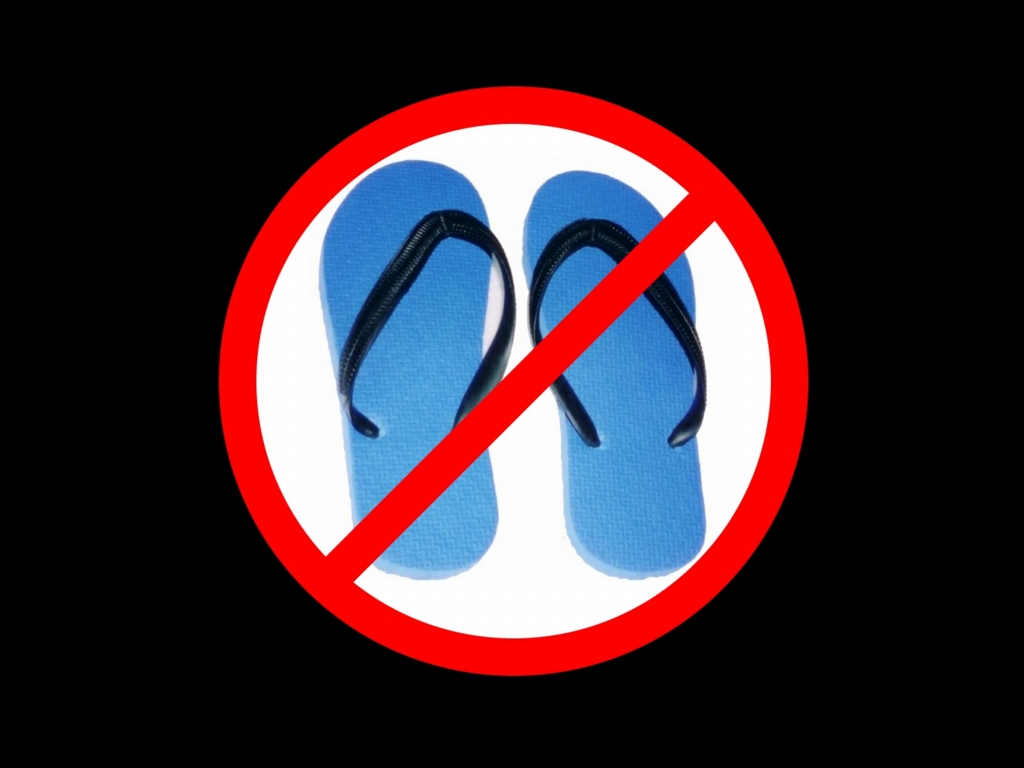
2.) Wear sandals:
They might seem like a good choice for hot weather, but their lack of support and ability to fly away on certain rides will leave you more miserable than you think.
3.) Dress incorrectly for the weather:
You can always bring a jacket to warm up, but you can’t take your pants off to cool down (it’s generally frowned upon). If the weather calls for rain, it’s probably best to re-schedule your trip to the park.
4.) Bring your iPad or tablet computer:
No one wants to be a Padhole. But, you’re risking damaging that $500 device every time you bring that dumb thing to a crowded place. Plus, it blocks our views during the show. Just bring a small point and shoot camera – it has better resolution, anyway.

5.) Visit on Memorial Day Weekend, 4th of July or Labor Day Weekend:
Traditionally the three worst times to visit any park. Although, actual Memorial Day and Labor Day tend to be less crowded than the weekends preceding them.

Got any suggestions to add to this list? Tell us on social media, or comment below!
Arrow Development documentary coming from Great American Thrills and American Coaster Enthusiasts
GOING HEAD OVER HEELS FOR SOUTH BAY HISTORY
Former ride manufacturer to be featured in new documentary from local filmmakers
MOUNTAIN VIEW, CA – Great American Thrills® and Totally Twisted Media are proud to announce a historic partnership with American Coaster Enthusiasts (ACE) Worldwide, Inc. to produce a documentary on the former Bay Area amusement park ride manufacturer, Arrow Development. The film is expected to premiere at the IAAPA industry trade show in Florida this November.
Several of the most prominent and respected names in the amusement industry have already signed on to participate in the documentary. These include: Cedar Point, Irvine Ondrey Engineering, Silverwood Theme Park, S&S Sansei and Six Flags Magic Mountain, among others.
The documentary is being produced by the all-volunteer team behind the award-winning “Lost Parks of Northern California” series, with filming beginning shortly. Nicholas Laschkewitsch and Kris Rowberry are leading the project:
“Everyone knows Silicon Valley is famous for technological innovations,” said Rowberry. “But very few people are aware that the valley that gave us Google and iPhones also spawned the world’s first log ride and tubular steel roller coaster, along with countless other ride innovations.”
Joining Rowberry as Executive Producer on the project is Nicholas Laschkewitsch, Video Promotions Coordinator for American Coaster Enthusiasts.
“Arrow Development and its mechanical marvels have always mesmerized me and held a special place in my heart,” said Laschkewitsch. “The sheer opportunity to be able to tell the story of Arrow to the masses is a dream come true.”
Fans can keep up with the latest happenings on the project by following American Coaster Enthusiasts on Facebook and Twitter or by using the #RideWithACE hashtag. To join ACE, visit: www.ACEonline.org

How You Can Be a Part of the Arrow Development Documentary
Many people have expressed interest in either helping out or participating in some way with our newly announced documentary on Arrow Development. So, here’s three quick ways you can be a part of history:
1.) Join ACE:
As a recognized 501(c)3 non-profit organization, the members of the American Coaster Enthusiasts are all about the preservation and enjoyment of amusement parks and roller coasters. By joining, you’ll help preserve our incredible amusement heritage, while becoming part of one of the largest and most respected roller coaster organizations in the world. Learn more at: www.aceonline.org
2.) Contribute photos or videos of Arrow rides, both past and present:
Do you have some “vintage footage” of older Arrow rides? Maybe a photo of you and your family next to a defunct Arrow coaster? Feel free to send them to: socialmedia@greatamericanthrills.net and we’ll do our best to get them in the documentary – with proper attribution, of course.
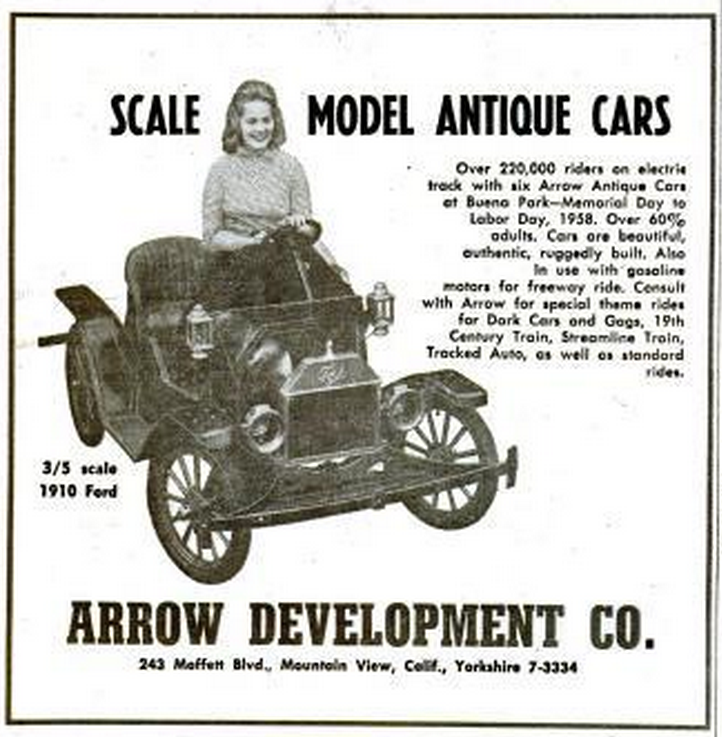
3.) Join us for a shoot!
We’ll be announcing exact dates and locations for shoots across the United States and Canada – so who knows – we just might be at your home park this summer! 

Are fastpass systems creating economic inequality in our amusement parks?
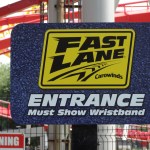
The concept seems like a wonderful idea – get past the long lines at at your local amusement park, just pay a few extra bucks for your admission. But, is it really that great of an idea, or is it creating more problems than it solves?
Today, we’ll look at arguments both for and against the “fastpass” system – as well as historical background on the topic.
First, a quick history…of lines.
Lines have been with us for most of eternity. The Bible speaks of how the animals lined up, two by two to get into Noah’s Ark. Lines also developed during the Great Depression, waiting for food at the local soup kitchen. At the same time, the concept of legally jumping the line was born.
Let’s face it, those unicorns probably should have gotten a fastpass…
So, on one side of the argument, a paid fastpass-type system effectively “punishes” those who can’t wait, by charging them more for their day at the park.
Now, the flipside of the argument, is that much like traffic fines, those with more disposable income will simply pay the extra amount, as it really doesn’t mean much to them. But, does this mean there’s a “class system” developing in our amusement and theme parks?
I don’t think so.
Why? Because we’ve had a class system in our parks for decades – it’s just that so many people now have access to the “upper echelon.”
Hear me out – if you’ve ever been to an amusement or theme park when a celebrity is there, you know (or knew) that they wouldn’t ever stand in line. They would be shuttled up the exit by staff members to get on the ride with as little fanfare (and fan interaction) as possible.
True fans of Disneyland and California’s Great America should also know about the secret clubs that are in the park, designed for those with deep pockets – 33 and The Consulate, respectively.
While The Consulate is no longer used for it’s original purpose, the fact that it was set up for that purpose 40 years ago shows that the “class culture” has been with us for quite some time.
So is it class warfare in our parks? No. Does it suck to wait an extra few minutes – sure. Is it worth the extra cash to skip the line?
Maybe the better question is this: are you willing to give parks more of your money to feel richer?
Remembering Gary Owens

We lost a legend in media this week.
Gary Owens, famed radio announcer, TV presenter and voiceover actor, died at the age of 80 on Friday. You may not know the man, but you certainly know the voice.
Like many in my generation, we were introduced to Mr. Owens not by his work on the radio or television, but on his very popular “Dinosaurs!” VHS tapes.
So what’s the amusement park connection? Well, both he and Eric Boardman took a trip on Kingdom of the Dinosaurs at Knott’s Berry Farm – and here it is for you to recall…and to enjoy. With Voyage to the Iron Reef now opening in it’s place – it’s a great look back with a true media legend.
Thanks for the memories, Gary.
And here’s some raw footage from the episode, featuring the park as well:
Newest Lost Parks Episode Debuts – Frontier Village in San Jose
These are the days I look forward to the most. After several months of blood, sweat and tears, we are finally ready to pull back the curtain on our latest “Lost Parks of Northern California” – presenting San Jose’s beloved Frontier Village.
Be sure to LIKE and SHARE the video with all your friends, family and favorite television networks and personalities – let’s make this the biggest Lost Parks episode EVER, TOGETHER!
The Knott’s Berry Farm Shopping Pass is the Amusement Industry’s Best Kept Secret

If I told you you could legally enter a theme park without paying, you’d probably call me nuts. But that’s just the case at Knott’s Berry Farm, thanks to their unique, “Shopper’s Pass.”

Logo courtesy of Knott’s Berry Farm – Cedar Fair, L.P.
The Shopper’s Pass is a timed-entry to Knott’s, originally intended for someone to enter to either purchase or peruse the park for something to buy within a limited time. In this case, 45 minutes. Say for instance you wanted to get an item the night before, but forgot to – this pass allows you to grab it before you head back home.
And as great as it is for that, there’s a second use that gaining popularity. If you’re willing to roll the dice on short lines and think you’re a decent power walker – you can go into the park, ride one or two attractions and then bolt back to Guest Services before your time is up.

Xcelerator at Knott’s Berry Farm. Photo by Kris Rowberry. All rights reserved.
Now, there’s a BIG catch to this too-good-to-be-true admission: if you fail to return in the allotted 45 minutes – even by just one second – you’re getting charged for a full day’s admission. How does the park guarantee that? They’ll ask for a deposit that’s equal to your full-day admission up front, fully refundable upon your timely return.
If you’re easily distracted or forgetful, this is not a good ticket option for you. Plus, Knott’s is worth AT LEAST a full day’s worth of exploring and riding.
The good news: If you are one of those forgetful types, you can always take that paid admission and apply it to an annual pass in the same building. That way, you can spend as much time as you want in the park for an entire year!
But, if you’re looking to do some shopping at Knott’s and are in a time crunch, the “Shopper’s Pass” is the best kept non-secret in the amusement industry.
Five Things Amusement Park Fans Must Stop Doing in 2015

Call me “Grandpa” if you must, but there’s a ton of things that just drive me nuts with the whole amusement park and roller coaster “fan” community. So here’s my picks for the the top five things we’ve got to stop doing in 2015:
5.) “Coaster Battles” on Instagram:

Collage by Instagram user: @Insta_Coaster

Collage by Instagram user: @Screamsource
I get it, you’re trying to drive engagement to your profile. But damn it’s annoying as all hell to see a “battle” of two or more rides that are usually “apples to oranges” in terms of comparisons-sake taking up my entire screen while I’m just trying to see some beautiful photos. Speaking of photos on social media…
4.) Stealing Each Others’ Photos / Videos:

There’s a reason when you search for photos in Google there’s a small disclaimer at the bottom. It reads: “This image may be subject to copyright.” So what does that mean? In short, it means you need to get permission to use the photo or follow the rules for using it as defined by the author (Creative Commons 3.0 is a good example of this).
So while it’s so easy to right click a cool photo and drop it into your social media feed (Facebook, Instagram, Tumblr) you better do some research to ensure no one owns the rights to it first – or you could be sued, and sued for each time it was reproduced (i.e. “shared”.) You wouldn’t want someone stealing your term paper and calling it their own – so why would you steal someone’s art and not attribute it.*
*Fun fact: While attribution is good, it does not completely absolve you from copyright infringement lawsuits. The easiest solution? Just go out and capture your own photos / videos.
Oh, and if you DO get caught – just fess up to it and fix the situation. No one likes a sore copyright infringer.
3.) Flying Your Drone Over Parks / Construction Areas:

Seriously – as cool as you think it might be to fly over a park, the lawsuits over damage, etc. don’t make it worth it.
With UAV’s (commonly known as “drones” becoming more and more prevalent (as they become cheaper), the temptation is there to do some really nefarious things with them, such as flying over closed parks without permission to spy on construction progress, or worse, fly over the general public without asking first).
While these amazing devices have given us incredible perspectives on parks and rides recently – the world isn’t quite ready to see them flying overhead while families are trying to enjoy their day. Plus, most pilots are not up to par with the pilots they see on YouTube – at least, not yet.
They’re also a major insurance liability to the park and yourself (seen all those drone FAIL videos? Now imagine them over a crowded midway) not to mention the serious, Federal / FAA violations you could be racking up – so just leave the DJI Phantom II in the hangar for now – okay?
2.) “Selfie Sticks” on Rides:

Loose articles can ALWAYS come loose – keep the camera in your pocket and ENJOY THE RIDE!
These things are bad enough off-rides, do we really need to capture every waking moment of our lives on RIDES and then upload them? Plus, once that stick / camera / phone gets knocked loose and whacks some unsuspecting guest below – good luck explaining yourself to the judge & jury in the civil & criminal lawsuits that are sure to follow.
1.) Arrogance in Parks and Online:
Unless you’re the GM or other high-ranking manager of a park, you’re not allowed to walk around your local park or on the internet like you’re a God on the subject (myself included). Begging for perks, exclusive experiences etc., just because you belong to a certain “coaster club” is not only beyond arrogant – it’s counterproductive to the entire community.
All it takes is ONE PERSON to act like an enthusi-ass at a park or TOWARDS a park – and it will ruin the fun for the rest of us. Think of that next time you’re bad mouthing a park via social media or claiming to know everything to the “GP” the next time you’re out on the midway. Remember our passion is all about having fun – not making other people miserable in the process…
What are your thoughts? Got anything to add to this list? Leave me a comment below or on our social media pages:
Lost Parks of Northern California wins at the 2014 CreaTiVe Awards

Pardon us if you’ve already heard the news, but…we think it’s worth bragging about:
“Lost Parks of Northern California,” the series produced by ACE Northern California and Great American Thrills took home the award for “Best Community Access Television Series – Professional” on Saturday at the CreaTiVe Awards in downtown San Jose.

Accepting our CreaTiVe Award for Best Professional Community Access TV Series (Photo by: CreaTV San Jose)
The show airs on both CreaTV San Jose and Peninsula Television here in the Bay Area.
We could not have done this without everyone who we’ve met along the way, contributed a video or photo at a lost park they once visited, or simply shared their experiences with us. Thank you for the opportunity to live history vicariously through you! Here’s to many more awards and celebrations.
And yes, you’re allowed to say, “We knew them when…”
Top Five Amusement Park Mistakes

Parks are run by humans – which means that sometimes (although rarely) they will make mistakes. It’s human nature, after all. Sometimes, taking a risk on a prototype pays off. (Look at how well Magnum XL-200 did!) However, in these cases, things didn’t quite work out as well as the parks had hoped.
That being said, let’s take a look back at five of some of the biggest “not-so-stellar” moves made by amusement and theme parks. Got one you think should be added to the list/ Tell us on social media, or leave a comment below!
5.) VertiGO; Thrill Shot – Cedar Point; Six Flags Magic Mountain
When park fans first saw this mammoth attraction, complete with it’s programmable ride sequence, many of us shouted, “…shut up and take my money!” Unfortunately, stress cracks that were discovered in the models and a snapped pillar in Ohio led the attraction to completely disappear to almost as little fanfare as it debuted to.
4.) Silver Bullet, Knott’s Berry Farm
Talk about a more appropriate name – many park fans will argue that the addition of this custom B&M inverted coaster nearly killed the charm from “America’s 1st Theme Park.” Plopped right in the middle of the park, the ride straddles several themed areas, and necessitated the moving of a church on the property as well as the original Berry Stand and vines that made Knott’s famous.
Built in an apparent attempt to compete with Six Flags Magic Mountain, Silver Bullet was the second to last major attraction built / purchased under the Kinzel-era of Cedar Fair’s management. Since then, the company has shifted, to re-investing in the parks’ classic attractions, bringing back the nostalgia and charm that made Knott’s the friendlier and less-crowded alternative to nearby Disneyland.
3.) Stealth – Paramount’s Great America
Announced in 1999 to much fanfare, this expensive, $17 million prototype attraction gave riders the sensation of flying…if they were willing to wait up to three hours on a GOOD day.
However, the ride was removed after only three years of operation, due to high maintenance needs, large amounts of downtime and that very low throughput / capacity. The second station was never built to completion, which allowed riders to bake in the sun for up to ten minutes while another train was dispatched. Quite simply, the ride never lived up to nor operated at it’s original potential.
Originally committed to several models of the ride for their parks, Paramount Parks allegedly pulled the contract on Vekoma after the disappointing results from Stealth. The area the ride sat on became the “Boomerang Bay Waterpark” but sharp eyes can still spot footers for Stealth in the Yankee Harbor area of the park.
2.) The Bat – Kings Island
Even the masters have their mistakes. For years, Anton Schwarzkopf had been designing a swinging, suspended coaster. Unfortunately, Anton’s skills with fabrication and design didn’t translate to running a business, and the company went bankrupt before “The Bat” could be finished. In stepped Arrow Development, who finished the ride.
However, high bank forces contributed to very high track maintenance, which eventually shut the ride down. It was replaced by another Arrow creation, the multi-loop “Vortex.”
Arrow would go on to build several suspended coasters of their own, one of which made a return to Kings Island, named “Top Gun.” Ironically, the park renamed and rebranded it to “the Bat” in 2014.
1.) Son of Beast – Paramount’s Kings Island
The looping wooden coaster. Once the holy grail of coaster-dom; now, it’s the “next big thing” when it comes to parks. But back in 2000, it was still a “work in progress.” True, the ride worked fine, but the heavy trains custom designed to transition between the steel loop and wooden track tore up the 7,000+ feet of track on the ride, to the point it became unbearable to ride.
Removing the loop and adding lighter, Gerstlauer trains didn’t help, either. The coaster was shuttered for several years and then eventually torn down in favor of a custom, record breaking B&M inverted coaster, “Banshee.”
What do you think? Are there other “not-so-great” moves that are worth noting? Tell us what you think on our social media feeds or leave a comment with video clip below!
(*All videos featured in this article are copyright of their respective owners. No ownership is implied*)
What’s Ahead for Great American Thrills in 2015

Now that the calendar has been officially flipped over to 2015, we wanted to fill you in on what’s to come for the year ahead with the Great American Thrills® brand.
Season Two of “Lost Parks of Northern California” continues, with two more episodes, featuring Frontier Village in San Jose and the 1939 World’s Fair on Treasure Island. Both should debut in January and March, respectively.
Also, you can look forward to Season Three of “Lost Parks” debuting in late Spring, with episodes focused on Scotts Valley’s “Lost World” and Redwood City’s “Marine World Africa USA.”
We’ll also be providing you content from our partner sites, such as The Coaster Guy, Thrills by the Bay and Park Journey, in addition to revamping our website to be more user friendly.
And finally, we’ve got something truly special up our sleeves for 2015. We can’t tell you what it is just yet – but we think that every amusement and theme park fan will enjoy it for years to come. Stay tuned to our social media feeds for the latest…as they might have you going around in circles!
So, as you can see, it’s going to be another fun filled and busy year for Great American Thrills®. Be sure to share us with your favorite cable channels, networks, friends and family – we’d appreciate it!
Here’s to the year ahead of us – let’s ride, everyone!
The Inverted Wooden Roller Coaster is Real
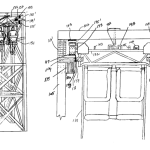
This is guaranteed to be the craziest, most awesomely bad (yet good) idea you have seen today, possibly for the rest of the year.
A gentleman by the name of Jonathan I. Gordon of Stamford, CT took an idea that so many roller coaster enthusiasts have joked about for years – and actually went through the process and cost of patenting it with the United States Government. Behold, the patented “inverted wooden roller coaster” in all of it’s glory:

Now, the reason so many coaster enthusiasts balk at the mere idea of this is simple – it would be a maintenance nightmare, very inaccessible for crews to inspect and repair – and incredibly uncomfortable – but that doesn’t mean you can’t patent it! Someday – a manufacturer might be just crazy enough to attempt this, and when they do, Mr. Gordon will be receiving royalties for his foresight to patent this insane idea.
It’s one of many ideas that you’ll find with a search of the patent office that are amusement related. Some, more thought out than others – but all are creative and help move the industry forward.
Here’s the official patent office link to the inverted woodie, so you can bask in all of it’s amazing-ness. This ranks right up there with the Bridge Coasters proposed for the 1939 World’s Fair…what do you think? Tell us on our social media pages, or comment below!
Five Ways To Be Arrested in an Amusement Park

Nobody’s perfect – we are all human, after all. But there are several ways you can mess up BIG TIME at your local amusement or theme park and end up in the county jail. If you think those rules at parks are for chumps, you better read on and start taking copious notes.
Here’s five ways you can get carted away to jail for misbehaving at an amusement or theme park:
Spitting:

The quintessential bad adolescent behavior! In addition to being a serious health hazard, spitting off of a ride (such as a sky ride) and hitting another person can be prosecuted as assault. Plus, the park can revoke your ticket or season pass as well.
Smoking:

In many places around the country, smoking is being banned in all public places, including parks. Many have set up so called “Cancer Corners” to keep people from smoking directly on the midway. But in some places, you can be cited for illegally smoking – and it can carry jail time in some of the more strict interpretations of the law, especially here in California.
Disobeying Ride Operators:

We have rules for a reason – usually because someone before was dumb enough to warrant making one!
Much like a Flight Attendant, a Ride Operator knows much more about the attraction you’re about to ride, despite their age or attentiveness. Purposely disobeying an order from them can not only land you in the hospital from injuries, but can also get you in the slammer for failing to heed posted rules and regulations.
Line Jumping:

Ah, the scourge of park attendees worldwide. But did you know that California has a specific Penal Code dedicated to line jumping? California Penal Code 490.6 gives parks’ the ability to detain you for jumping the line, until the police show up. That’s one way to make your wait times much LONGER, rather than shorter.
Tagging:

This should be a no brainer, but amazingly, you’re not allowed to write on things that aren’t yours – especially private property. Of interest lately is people tagging their Instagram or Twitter accounts…because nothing makes the police happier than you telling them exactly how to find you to prosecute you.
By now, you must be asking yourselves: “Wait, you cannot possibly be serious in saying or implying that people get prosecuted for these, can you?”
Well, hate to break it to you, but I am serious – and I’ve seen it happen. Working for several parks in my career, I’ve seen everything from spitters being arrested, to taggers being tased. In fact, more people than you think are removed from parks every day, and some of them end up making the trip wayyy downtown. Remember that parks are supposed to keep out the “outside world” and keeping up that illusion is part of the services the park offers. Trust me, just follow the rules and you’ll make everyone’s day better!
What do you think? Which person behaving badly would YOU like to see removed from a park for one of these offenses? Tell us on social media or comment below!
Have Halloween Events Gone Too Far?

In light of recent events at Six Flags America, as well as a haunted house that literally scared someone to death (albeit with a pre-existing heart condition), some people – including myself – are questioning if we’ve gone too far with Halloween. Now, before you go jumping down my throat, I’m specifically questioning the experiences being offered / encouraged (not necessarily the crowds that it attracts).
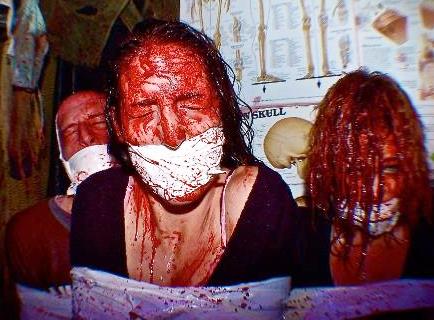
Believe it or not, this isn’t real…it’s part of a haunted house experience.
Full disclosure, us Americans tend to do two things with holidays: ruining the true meaning of them and over-doing them. Halloween is no exception. But when events begin to leave such a large psychological mark on people – to the point that some now require you sign waivers – are we really having fun, or just harming ourselves?
I actually enjoy these events – and while I don’t live for it every year, I’ve noticed a ramping up as of late with the realism…and I’m not so sure that’s a good thing. For instance…some events now offer “terrorist experiences” where you can feel like an ISIS hostage, without the actual pain and suffering. How is that FUN, exactly?
Even more traditional events have felt the pressure to be more realistic. The rope drop at Halloween Haunt at California’s Great America now features a large mass of people being run after by monsters. Now, normally, I’m a big fan of this park and while I get the idea of building up the atmosphere – I’m no fan of being trampled when I’m trying to have fun.
So, are the events getting too intense for you? Or do you see it as simple, harmless fun? Keep the conversation going on our social media pages, or leave a comment below – we’d love to hear from you!
Planet Snoopy Expansion Coming to California’s Great America in 2015

After a lengthy wait, California’s Great America finally announced their 2015 attraction – an expansion of Planet Snoopy and significant renovation of the Kidzville area.

According to the park, “…three new Planet Snoopy rides will be introduced and be in place for opening day in 2015 when Great America begins its magical 39th season. The entire area known formally known as KidZville will be morphed into the expanded Planet Snoopy.”
These rides include: Joe Cool’s Gr8Sk8, Peanuts 500 and Snoopy’s Space Buggies. Gr8Sk8 will be an interactive ride atop Snoopy’s giant skateboard with the feeling of going off the edge. Peanuts 500 lets racers zoom around the track and slingshot around the track ends, while Snoopy’s Space Buggies will lift astronauts into the air for a gravity defying lunar landing.
“Great America is known for its thrill rides, but we pride ourselves on a being a park for everyone. Enhancing Planet Snoopy and introducing three attractions parents can ride with children adds to our inclusive family atmosphere,” said Great America Vice President and General Manager Raul Rehnborg.
Sharp-eyed observers to the park had noticed a new tombstone appear in the “Ride Graveyard” section of Haunt this year – indicating the change:

Photo by: Thrills by the Bay (Used with permission)
This is a welcome addition for the little tikes that visit the park. The Kidzville brand had been largely unchanged since it’s introduction in 1999. The area was well overdue for a refresh, and these rides (originally from Knott’s) will certainly do the trick.
Now, there undoubtedly be some of you that say, “That’s all – first a new Pavilion area, now this?!?” but hear me out:
The Great America Pavilion has been, by all accounts – a stunning success. The park needed to re-invest in it’s own infrastructure to give a more year-round ability – and the Pavilion has done just that. It’s a new, modern facility that can attract new groups to spend their money there. It’s also a long term investment that will pay off for decades, especially with the 49ers next door.
2016 will be the park’s 40th season. (Opened in May, 1976). Traditionally, parks like to “go big” for significant dates, as it’s more marketable. An expansion / refresh of a kids area is a relatively economical new product, that sets the stage for a much larger capital investment in 2016. Park historians will recall that when Kidzville debuted in 1999, “Project Stealth” followed soon thereafter – a $17 million investment.
Also, take a look at the other recent capital investments in Cedar Fair parks: two have received entirely new entrance plazas, capped off with (you guessed it) massive coasters. California’s Great America is one of two parks in the Cedar Fair chain to not have a high capacity, long length hyper / giga coaster (non-looping, steel coaster over 200 feet tall). The park does have a height limit of 224 feet, but also has plenty of space inside the park to build on.
Let the waiting game and speculation begin!
Flying a Drone over an Amusement Park – Good Idea?
With the advancements in UAV technology over the past few years – coupled with the explosion of video online – it’s no wonder these devices are becoming increasingly popular. But, before you go off buying and flying one of these incredible devices at your local park – know what you’re getting into first…

Photo by American Coaster Enthusiasts, Northern California region. Used with permission.
1.) Flying over anything is inherently dangerous – gravity ALWAYS wins:
Many people don’t realize that when you’re flying, you’ve got several pounds of equipment hovering over other people’s property and / or selves when you’re flying. That payload can strike someone or something at damaging velocities. One doesn’t have to look far to find plenty of spectacular drone crash videos.
A dead battery, gust of wind, or unexpected obstacle could spell instant disaster for your aircraft, and serious injuries or worse to anyone below. Know that if you cause damage to a park employee, guest or ride as a result of your UAV – they’ll be calling you to recoup the damages – and it won’t be cheap.
There are also significant airspace restrictions to be aware of, too – as you’ll soon see…
2.) Getting permission from a park to fly over is ALWAYS the best move:
(Video by William Francis)
Don’t be like this guy and cause a panic amidst Disney security and guests – while it should be common sense knowledge – you DON’T fly over a park that already has major security protocols in place.
Make whatever argument you can (“The Ferris Wheel was closed,” or “FAA says only MANNED aircraft aren’t allowed over”) the fact remains – flying an unmanned drone, without telling anyone is begging for panic and unnecessary resources diverted away from real emergency situations. There are reports everyday of people shooting these aircraft down – not informing someone you’ll be in their space sets the wrong precedent and reflects badly on the community as a whole. You wouldn’t jump over a fence for a photo update – so how is flying over at low altitude any different?
ALWAYS ask ahead of time and more importantly, HONOR the decision – even if it isn’t what you wanted.
3.) Privacy rights may not be set in stone, but there are common sense limits:
Fences are there for a reason – it’s to keep people out. Flying over construction sites, while a cool perspective at low altitude – can be considered an invasion of privacy. Now, this is where it get’s muddy…at what altitude is too low? Aircraft are required to stay at least 1,000 AGL (above ground level), but drones aren’t quite aircraft – they’re considered “model aircraft” by the FAA at this time. That means they cannot exceed 400 feet AGL. But the privacy barrier isn’t set in stone.
4.) Commercializing (monetizing) your drone video requires more than just a click of the mouse:
When you monetize a video on YouTube, you’re certifying that you own all the rights to the video, you made it yourself and you had all the necessary paperwork to allow it to be commercialized. This means getting insurance, paying all location fees oh – and GETTING PERMISSION TO FLY IN THE FIRST PLACE! When you monetize a video online, you’re making money off of it – which makes you a commercial film producer. There’s far more work that needs to be done as a result…
So, to recap – while UAV’s (drones) offer incredible angles once reserved to just airships / helicopters – it comes with great responsibility to ensure the safety and privacy of everyone involved, including the parks you’re considering a flyover of. Know what you’re getting into before you fly…
*FULL DISCLOSURE: “Great American Thrills” and “Lost Parks of Northern California” utilizes UAV (drone) footage in our work, following all recommended practices, under the supervision of trained professionals and with permission of property owners.
Colossus at Six Flags Magic Mountain Catches Fire, Partially Collapses

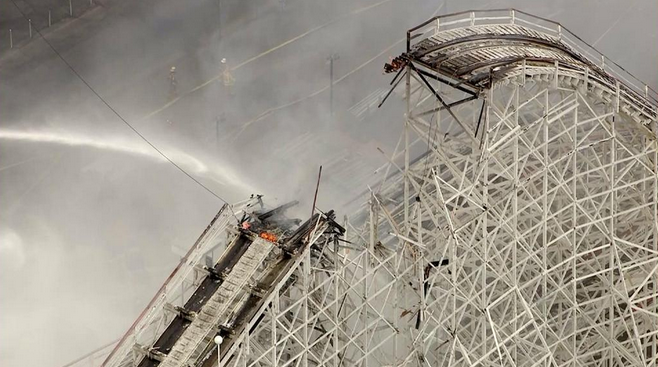
Screenshot from KTLA-TV’s live helicopter footage.
Colossus – the wooden racing coaster at Six Flags Magic Mountain that has been closed for several weeks to undergo a massive renovation, caught fire today in an area where workers were removing track pieces. A portion of the lift has completely collapsed, but the rest of the circuit appears to be in good condition, based off of video taken from the scene. The park was closed at the time – no injuries have been reported.
First reports of the fire came in around 2:30pm and immediately photos began to “light up” social media. The park and ride became a trending topic almost immediately:
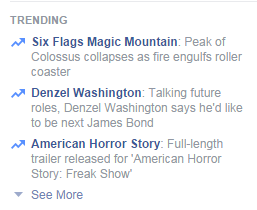
The official statement from the park confirms that:
“(The fire) happened while work was being done to disassemble the ride. The park was closed and there were no injuries. Colossus has been closed since August 17 for renovation. Plans for the spring debut of Twisted Colossus are still on track.”
The Coaster Guy reported just a few days ago that he saw what appeared to be burn marks where track had been removed on the lift. The ride is being renovated by Rocky Mountain Construction, who have done several other ride modifications, but never on this large a scale.
So how will they accomplish such a quick turnaround? The answer is simple – they’ve got everything they need already on site to repair and replace: Because the re-design of the ride does not incorporate all of the original layout, there will be literally thousands of board feet of lumber on the site that can easily be recycled into repairing any damaged sections of the ride.
TO RECAP – an apparent construction accident caused Colossus’ lift to catch fire today – while it was under renovation and NOT open ot the public. Thanks to the efforts of both the park and Los Angeles County Fire Department, the blaze and subsequent damage to the structure was quickly contained -no one was injured.
Getting Even With Dad Filmed at California’s Great America

Theme and amusement parks tend to be great backdrops for films – unfortunately, so many of them are well, lackluster.
This is one of them.
Shortly after the production wrapped up on “Beverly Hills Cop III,” then Paramount’s Great America took a second swing at being in the movies, with the Macaulay Culkin comedy, “Getting Even With Dad.”
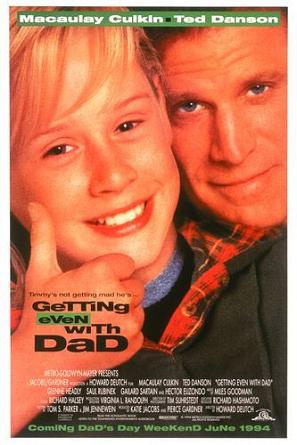
At the time, Culkin was the hottest thing in Hollywood. His “Home Alone” series made him an instant sensation. Literally every studio was willing to pay big bucks to have him appear for them.
They probably should have thought about that a little bit harder…
Fun fact: “Fiddler’s Fling” at the park was renamed and rethemed to “Centrifuge” for the film – and the theme has stuck to this day.

Unfortunately, just like it’s counterpart filmed at the same park, “Beverly Hills Cop III,” this film was also a commercial bomb at the box office, losing nearly $12 million for MGM back in 1994 (That’s nearly $20 million today). On Rotten Tomatoes, it’s overall rating reflects that.
So the next time you ride Centrifuge, know you’re riding a piece of Hollywood – at least a small piece of it. Just don’t expect Macaulay Culkin to be riding next to you…

What’s the Difference Between an “Amusement Park” and a “Theme Park?”
You hear the phrases “amusement park” and “theme park” thrown around all the time. But what exactly makes a park one or the other? It seems like the two terms are interchangeable at times – but in reality, they’re two completely different experiences.
This week, Six Flags Magic Mountain was named by USA Today as “America’s #1 Theme Park” – but is it really themed like a Disney park is? (And it should be noted, that the “contest” was a user poll) Heck, there’s even parks that called themselves “Themed Amusement Parks” – we’re looking at you, California’s Great America.

Theme parks generally have specific areas that work together with the rides and attractions to form a cohesive theme.
So then, let’s define exactly what makes an amusement park and theme park – and start using the phrases correctly, shall we?
FAIR / CARNIVAL – Any non-permanent installation of a group of rides and attractions that typically travels in a geographic area.
Examples: County Fair, State Fair, Circus
AMUSEMENT PARK – Any permanent installation of a group of rides, with or without a gated entry. Single rides may be themed to specific topics, areas or storylines, but a cohesive theme(s) is/are not seen in the park as a whole. Rides tend to be judged based on statistics and “thrill factor” over immersiveness of the experience.
Examples: Six Flags Magic Mountain, Santa Cruz Beach Boardwalk, Six Flags Great America, Cedar Point
THEME PARK – Any permanent installation of a group of rides and attractions themed after specific topics, areas or storylines. At no time is the illusion of theme dropped while inside the park gates (I.E. everything must have a cohesive theme, not just one ride). Rides are about immersing guests in an experience, not necessarily as thrilling from a statistics standpoint.
Examples: Walt Disney World, Disneyland, Disney California Adventure, Busch Gardens, Universal Islands of Adventure
What are your thoughts on my definitions? I’d love to hear from you!
Leave a comment below or write to me on social media – let’s keep the conversation going!
 Great American Thrills®